
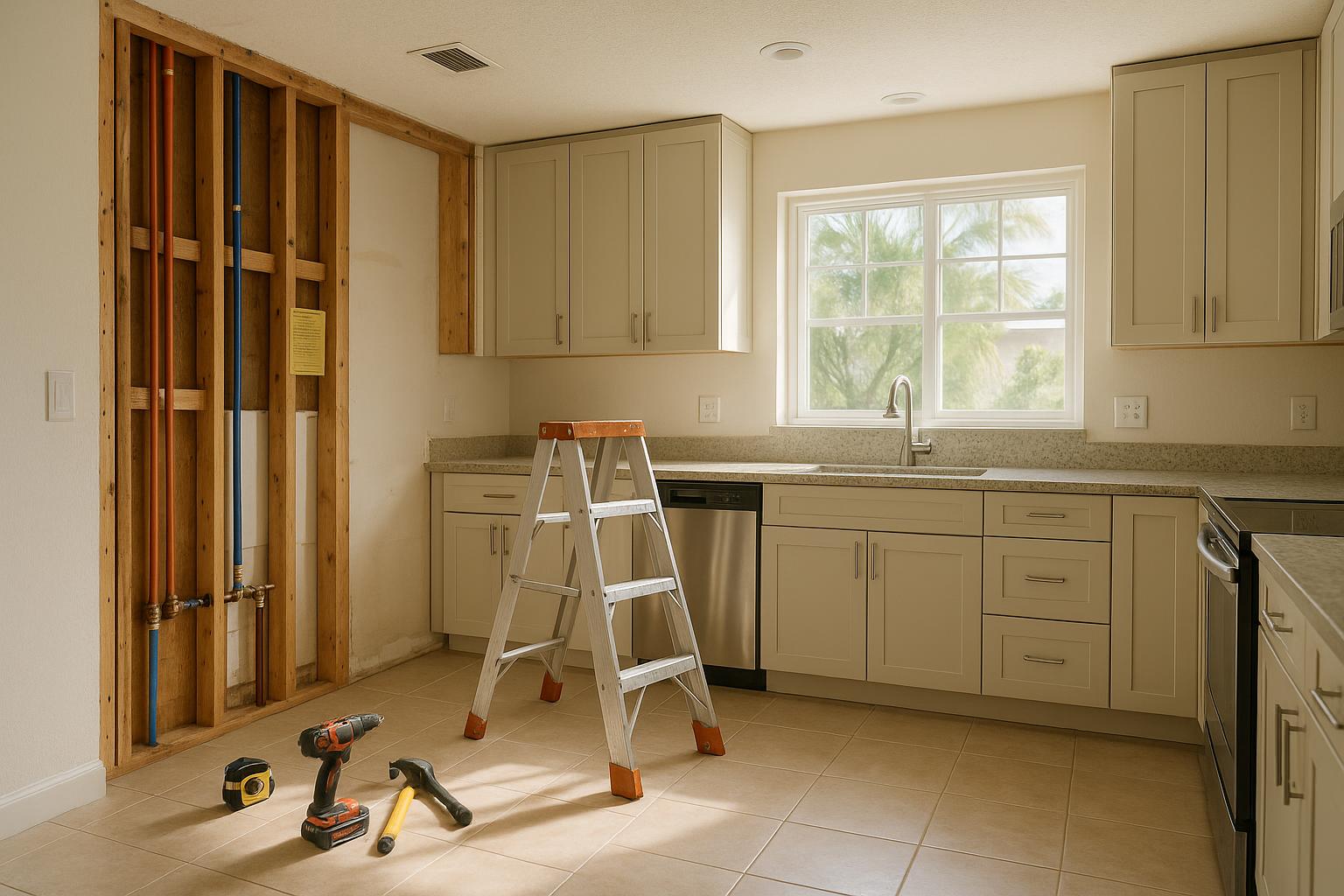
Do You Really Need a Permit for Your Remodel?
It's one of the most common questions we hear from homeowners in West Palm Beach: Do I actually need a permit for this project? The short answer is — probably yes. But the details matter, and understanding the permitting process before your remodel begins can save you from costly surprises, delays, and even legal headaches down the road.
Whether you're planning a full kitchen renovation or updating your guest bathroom, here's what every homeowner in the West Palm Beach area should know about building permits before the first tile is pulled up.
What Requires a Permit in Palm Beach County?
In Palm Beach County, most remodeling work that involves structural changes, electrical, plumbing, or mechanical systems requires a building permit. That covers a lot more than most people expect. Here are some common remodeling tasks that do require permits:
- Moving or removing walls — even non-load-bearing walls often require a permit because they may contain electrical wiring or plumbing.
- Plumbing changes — relocating a sink, toilet, or shower drain means you'll need a plumbing permit.
- Electrical work — adding new outlets, upgrading a panel, or rewiring a kitchen for new appliances all require electrical permits.
- New cabinetry with structural modifications — if installing custom cabinets involves altering walls, soffits, or utility connections, a permit is likely needed.
- Countertop replacements involving plumbing changes — swapping a countertop surface alone may not need a permit, but if you're moving the sink or changing the faucet configuration, plumbing permits come into play.
- Window or door changes — especially relevant in South Florida, where hurricane impact ratings must meet strict building codes.
What Usually Doesn't Need a Permit?
Some cosmetic updates can be done without pulling a permit. These typically include:
- Interior painting and finishing
- Replacing hardware on existing cabinets
- Swapping out a faucet without changing plumbing lines
- Installing new flooring over an existing subfloor (with no structural changes)
- Replacing a countertop without altering plumbing
That said, the line between "cosmetic" and "permitted" work isn't always obvious. When in doubt, it's always better to check with your contractor or the local building department before starting work.
Why Skipping Permits Is a Risky Gamble
We understand the temptation. Permits add time and cost to a project, and it can feel like unnecessary red tape — especially for what seems like a simple bathroom update. But here's why cutting corners on permits is one of the most expensive mistakes a homeowner can make:
1. You Could Face Fines and Stop-Work Orders
Palm Beach County code enforcement can issue fines for unpermitted work, and inspectors have the authority to shut down an active project. That means your half-finished kitchen could sit untouched while you scramble to get retroactive approvals — which are harder and more expensive to obtain than doing it right the first time.
2. It Can Derail a Future Home Sale
When you sell your home, buyers and their inspectors will look for open or missing permits. Unpermitted work can lower your home's appraised value, scare off buyers, or force you to tear out and redo work to bring it up to code. In a competitive West Palm Beach real estate market, that's a deal-breaker you don't want on your hands.
3. Insurance May Not Cover Unpermitted Work
If something goes wrong — a plumbing leak, an electrical fire, water damage — your homeowner's insurance company may deny your claim if the work was done without proper permits. That's a risk no homeowner should take, especially in South Florida where storms and moisture already put homes to the test.
4. Safety Is Non-Negotiable
Building codes exist to protect you and your family. Inspections ensure that electrical connections are safe, plumbing won't leak inside your walls, and structural changes won't compromise your home's integrity. This is especially critical in our region, where homes must meet Florida's stringent hurricane and wind-load requirements.
How the Permitting Process Works for Remodels
If you're working with a licensed general contractor in West Palm Beach, the good news is that they should handle the permitting process for you. Here's a general overview of how it works:
- Project plans are drawn up. Depending on the scope, this may involve architectural drawings or engineering documents.
- The permit application is submitted. Your contractor submits the plans and application to the City of West Palm Beach Building Division or the Palm Beach County permitting office, depending on your location.
- Plans are reviewed. The building department reviews the plans for code compliance. This can take anywhere from a few days to several weeks, depending on complexity.
- The permit is issued. Once approved, work can begin. The permit card is typically posted at the job site.
- Inspections occur at key stages. Rough plumbing, electrical, framing, and final inspections are scheduled as the project progresses.
- Final approval is granted. After the last inspection passes, the permit is closed out — and your remodel is officially code-compliant.
How Long Do Permits Add to a Remodel Timeline?
This is a fair concern. In our experience working throughout West Palm Beach, Palm Beach Gardens, Wellington, and surrounding communities, the permitting process typically adds one to four weeks to the front end of a project. More complex renovations — like a full kitchen remodel with structural changes — may take longer during the plan review stage.
The key is to factor this into your planning from the start. A reputable contractor will build permit timelines into your project schedule so there are no surprises. Rushing to start work before permits are approved isn't just risky — it's unnecessary if you plan ahead.
What to Look for in a Contractor's Approach to Permits
One of the easiest ways to evaluate a remodeling contractor is to ask how they handle permits. A trustworthy contractor will:
- Pull all required permits under their own license
- Never suggest skipping permits to save time or money
- Coordinate all necessary inspections throughout the project
- Ensure the permit is properly closed out when the job is complete
If a contractor tells you that you don't need a permit for work that clearly requires one, or suggests that you pull the permit yourself as the homeowner, consider that a red flag. Licensed contractors in Florida are required to obtain permits for the work they perform.
The Bottom Line for West Palm Beach Homeowners
Permits aren't the most exciting part of a remodel, but they're one of the most important. They protect your investment, keep your family safe, and ensure that the beautiful new kitchen or bathroom you're building will add real, lasting value to your home.
At Highland General Contractors, we handle the entire permitting process as part of every remodeling project — from initial application through final inspection. If you're planning a kitchen remodel, bathroom renovation, or any home improvement project in West Palm Beach or the surrounding area, we'd love to walk you through what to expect. Reach out to start a conversation about your project today.